

Ethiopia tourism opportunities: emerging travel trends, religious tourism growth, and investment potential


Why Ethiopia tourism opportunities are gaining global attention
Ethiopia is quietly becoming one of the most intriguing destinations in global travel. While it has long been known for its ancient history, dramatic landscapes, and unique culture, a new wave of interest is reshaping how people view the country. Today, the conversation is shifting toward Ethiopia tourism opportunities, especially in high-value niches like religious tourism, cultural heritage travel, and educational tourism.
Recent global curiosity about Ethiopia’s extended biblical canon—containing 81 books rather than the more widely known 66—has sparked renewed fascination. This has positioned Ethiopia as an “Ancient Holy Land” in the minds of scholars, spiritual travellers, and cultural explorers. At the same time, improved connectivity, growing urban development, and increased global awareness are creating a foundation for tourism growth.
This article explores the emerging opportunities for tourism in Ethiopia, the current infrastructure supporting it, the gaps that need to be addressed, and what the future could look like. It also offers a balanced perspective, including a counterfactual view on whether tourism will deliver on its promise.
Ethiopia tourism opportunities: unlocking a unique religious and cultural market
Ethiopia’s tourism potential is deeply tied to its identity as one of the oldest Christian civilizations in the world. Its religious heritage is not only historic but also living, practiced daily across the country.
This creates a rare opportunity. Unlike destinations where history is preserved but no longer active, Ethiopia offers visitors the chance to experience faith as it is still lived today. This is a powerful draw for modern travellers seeking authenticity.
One of the most promising areas is the development of religious and educational tourism. There is growing demand from international visitors who want more than sightseeing. They want meaning, learning, and immersion.
Key emerging opportunities include the creation of biblical research hubs. These could attract scholars interested in ancient manuscripts such as the Garima Gospels, some of the oldest illustrated Christian texts in the world. Ethiopia could position itself as a global center for theological and historical research.
Another opportunity lies in long-distance pilgrimage routes. Walking trails connecting major spiritual sites could mirror the success of pilgrimage routes in Europe. Imagine a journey linking remote mountain churches with iconic destinations like Lalibela and Aksum. These experiences combine adventure, spirituality, and cultural depth.
Festivals also offer strong growth potential. Events such as Timket and Meskel already attract large local crowds. With better promotion and infrastructure, they could become global attractions, drawing international visitors seeking immersive cultural experiences.
There is also growing interest in narrative-driven tourism. For example, curated journeys that follow the traditional story of the Ark of the Covenant—from Jerusalem to Aksum—could appeal to travellers interested in history, religion, and storytelling.

Building on existing strengths: Ethiopia’s tourism foundation
Ethiopia is not starting from scratch. It already has a solid base to support tourism growth, particularly along its well-known northern historic route.
Air connectivity is a major strength. The national carrier, Ethiopian Airlines, provides efficient access between key destinations such as Addis Ababa, Lalibela, Gondar, and Aksum. This makes it possible for visitors to explore multiple sites within a limited timeframe.
Accommodation is also developing steadily. High-quality lodges and hotels are available in key areas such as Bahir Dar, Lalibela, and Aksum. While not yet at the scale of more mature markets, the foundation is in place.
Globally recognised heritage sites are another advantage. The rock-hewn churches of Lalibela, for example, have long been a major draw. These UNESCO-recognised sites are not only architecturally remarkable but also deeply spiritual.
Urban improvements are also helping. Cities like Addis Ababa and Bishoftu are investing in better infrastructure, including roads, lighting, and public spaces. These changes improve safety and overall visitor experience.
Taken together, these elements create a platform on which Ethiopia can build a more diversified and high-value tourism sector.

Hidden gems and untapped destinations: expanding beyond the main circuit
One of the biggest opportunities lies in moving beyond the well-known destinations and unlocking lesser-known sites.
Many travellers today are looking for unique, off-the-beaten-path experiences. Ethiopia has an abundance of these, but they remain under-promoted.
A strong example is Debre Aron Monastery. Located on a dramatic mountain overlooking the Tekkezze River, this site offers a mix of natural beauty, history, and spiritual significance. Founded in the 14th century by Abba Aron, the monastery is tied to stories of religious resistance and spiritual leadership.
Its architecture is also distinctive. The rock-hewn church includes features such as a roof opening that allows light to enter while keeping rain out. The site also houses sacred artefacts, including tools believed to have been used in its construction.
Events such as the monastery’s annual festival in September provide opportunities to attract visitors. With better infrastructure, promotion, and conservation, sites like this could become important additions to Ethiopia’s tourism offering.
More broadly, expanding tourism to include these hidden locations can reduce pressure on major sites while spreading economic benefits to rural communities.
Ethiopia tourism growth challenges: infrastructure, skills, and conservation
Despite its strong potential, Ethiopia faces several challenges that need to be addressed to fully unlock tourism opportunities.
Accessibility remains a major issue. Many important sites are located in remote areas with limited road access. Basic services such as electricity and water are not always reliable. This can limit visitor numbers and reduce overall experience quality.
There is also a need for better product diversification. Currently, tourism is heavily focused on a small number of destinations. Many equally significant sites receive little attention due to limited marketing and awareness.
Heritage conservation is another concern. Protecting ancient sites and artefacts requires investment, coordination, and expertise. Without this, there is a risk of damage, loss, or degradation.
Professional skills are also important. The sector would benefit from more trained guides, particularly those with specialised knowledge of religious history. Improved museum facilities and interpretation centers could also enhance visitor understanding.
Finally, community engagement is critical. Tourism must deliver real benefits to local people. Without this, issues such as informal selling or visitor discomfort can arise. A more inclusive approach can help create a positive and sustainable tourism environment.

Designing high-value tourism experiences in Ethiopia
To compete globally, Ethiopia needs to focus not just on attracting visitors, but on attracting the right kind of visitors.
High-value tourism is about quality over quantity. It involves creating experiences that are meaningful, educational, and well-curated.
One approach is to design integrated travel experiences. For example, a 10–14 day itinerary could combine spiritual exploration, cultural immersion, and landscape discovery. Visitors could attend early morning religious ceremonies, explore ancient manuscripts, and hike through mountain landscapes.
Customisation is another key trend. Travellers increasingly want experiences tailored to their interests. Local tour operators are well placed to deliver this, especially if supported by better training and digital tools.
Digital storytelling can also play a role. Using technology to share the stories behind sites, artefacts, and traditions can enhance the visitor experience and extend engagement beyond the trip itself.
For further insights on related topics read these articles: Assab Port - strategic opportunity?
The role of festivals, storytelling, and living heritage
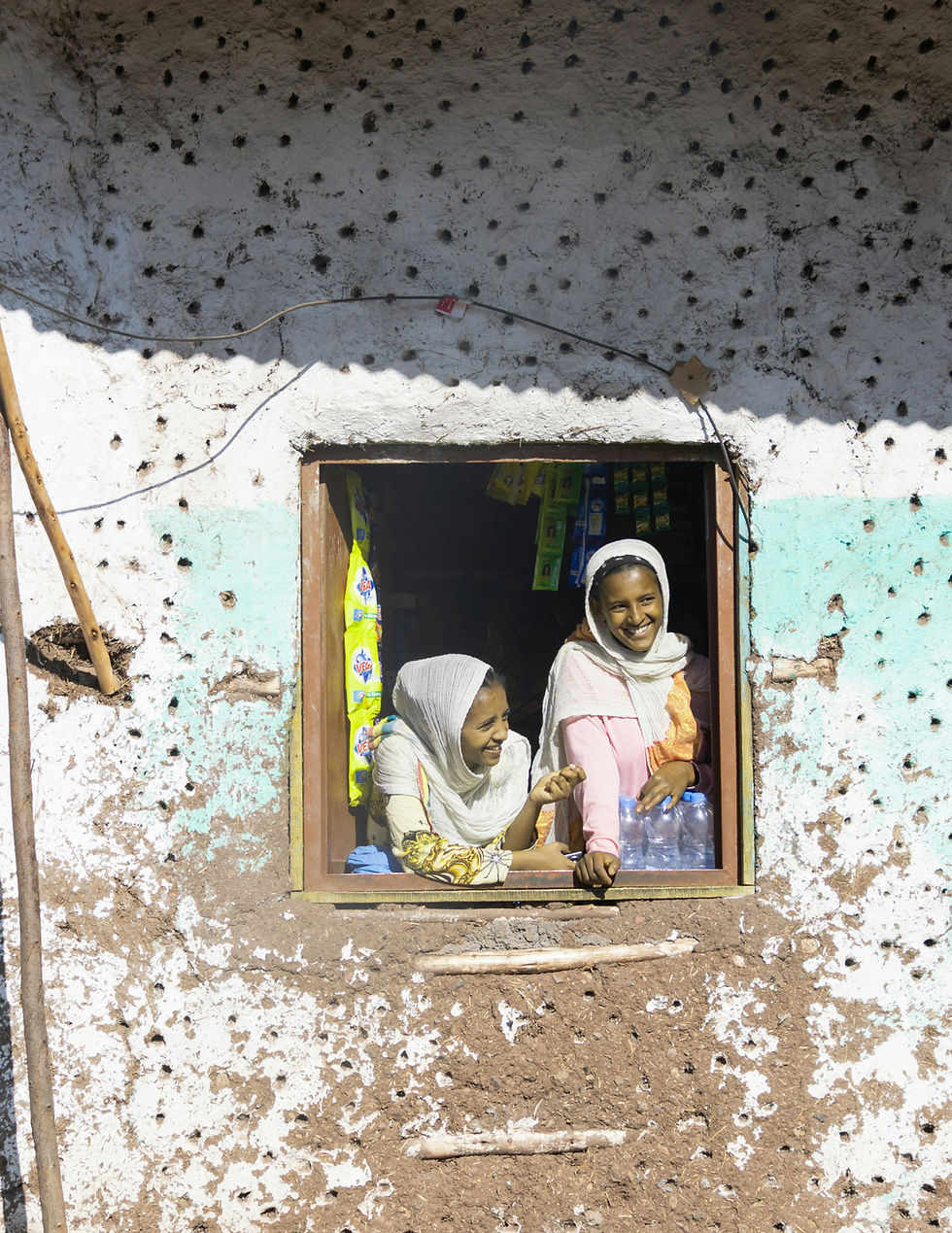
One of Ethiopia’s strongest advantages is its living heritage. Religious festivals are not staged for tourists—they are authentic, deeply meaningful events.
This authenticity is highly attractive in a global tourism market where many experiences feel manufactured.
Events such as Timket involve processions, music, and ritual practices that create a powerful atmosphere. Visitors are not just observers; they are immersed in a cultural and spiritual experience.
Storytelling also plays a central role. Narratives about the Ark of the Covenant, ancient kings, and early Christianity add depth and intrigue. These stories can be woven into tourism experiences to create a stronger emotional connection.
By combining festivals, storytelling, and heritage, Ethiopia can offer something that few other destinations can match.
What if tourism is not the growth engine expected?
While the outlook is positive, it is important to consider an alternative view.
What if tourism does not deliver the expected economic benefits?
There are several reasons this could happen. Political instability or regional conflicts could affect traveller perceptions. Infrastructure improvements may take longer than expected. Competing destinations with more developed tourism sectors may continue to dominate.
There is also the risk of over-reliance on a single sector. Tourism can be sensitive to global shocks, such as pandemics or economic downturns. If Ethiopia invests heavily in tourism without diversifying its economy, it could face future vulnerabilities.
Additionally, rapid tourism growth can create pressures on cultural sites and local communities.
Without careful management, this could lead to loss of authenticity—the very thing that makes Ethiopia attractive.
This perspective highlights the importance of balanced, sustainable development.

Turning Ethiopia tourism opportunities into long-term value
Ethiopia stands at an important moment. The global spotlight is beginning to shift toward destinations that offer authenticity, depth, and meaning. In this context, Ethiopia tourism opportunities are both real and significant.
The country has a unique combination of assets: ancient religious heritage, living cultural traditions, dramatic landscapes, and a growing base of infrastructure. By focusing on high-value tourism, expanding beyond well-known sites, and addressing key challenges, Ethiopia can position itself as a leading destination in the global tourism market.
The path forward requires coordination, investment, and a clear strategy. It also requires a commitment to sustainability, ensuring that tourism benefits both visitors and local communities.
Key recommendations include improving access to remote sites, investing in conservation, building professional skills, and promoting lesser-known destinations. Equally important is the need to tell Ethiopia’s story in a compelling and authentic way.
If these steps are taken, Ethiopia has the potential to transform its tourism sector into a major driver of economic growth and cultural exchange.
For more insights on tourism strategy, economic development, and global trends, consider subscribing to updates at www.Georgejamesconsulting.com.


Comments