

Geothermal power for data centers: could it help meet AI energy demand?
- StratPlanTeam

- Apr 17
- 7 min read
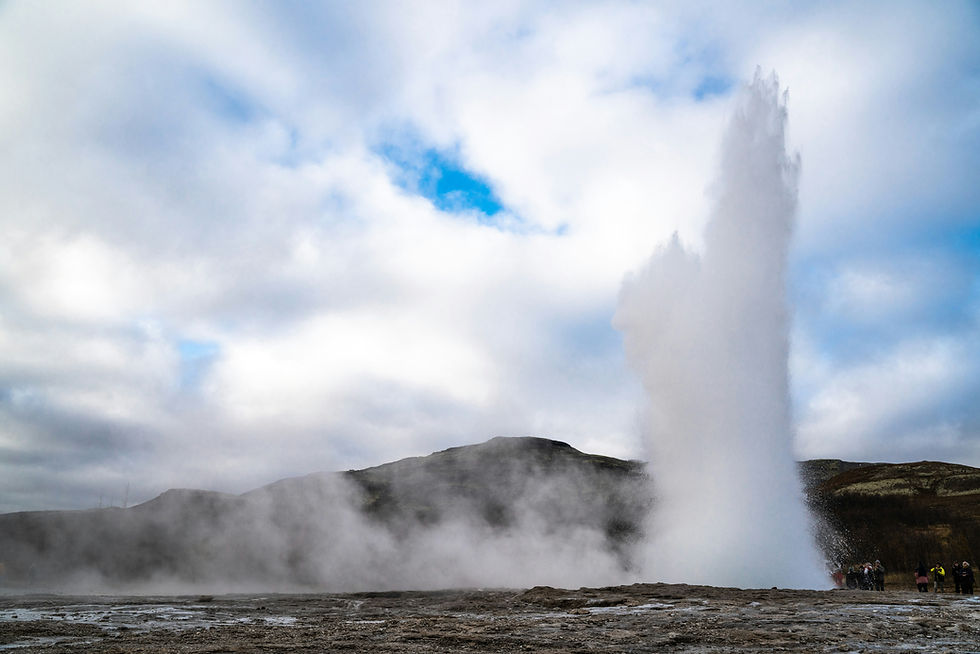
Geothermal power for data centers: a rising solution for AI energy demand
The rapid expansion of artificial intelligence is forcing a major rethink of how the world powers its digital infrastructure. Data centers, once a background part of the internet, are now at the core of economic growth, public services, and innovation. But they come with a serious challenge: energy demand.
As AI systems grow more complex, the electricity needed to train and run them is increasing at an extraordinary pace. This has created a pressing need for energy sources that are not only clean, but also reliable and scalable. In this context, geothermal power is gaining attention as a potential solution.
Unlike intermittent energy sources, geothermal provides continuous, carbon-free power. It also offers unique advantages for cooling data centers, which is a major part of their overall energy use. While nuclear energy has dominated recent discussions, geothermal is emerging as a quieter but highly practical alternative.
This article explores whether geothermal power could become a key answer to data center energy requirements, drawing on global trends while using developments such as New Zealand’s Deep Heat project as an illustrative reference point.
The scale of the data center energy challenge
The energy demands of data centers are growing rapidly, driven largely by artificial intelligence. In recent years, data center electricity consumption has more than doubled in some markets, and this trend is expected to continue through the decade.
AI workloads require continuous processing power. Training advanced models involves running thousands of processors for extended periods, while real-time applications add constant demand. This creates a need for energy that is available 24 hours a day, without interruption.
Cooling is another major factor. Data centers generate significant heat, and cooling systems can account for up to 40 percent of total energy use. This means that any energy solution must address both power generation and thermal management.
These combined pressures are pushing governments and industry to explore alternatives that can deliver both reliability and efficiency.

Why geothermal energy is attracting attention
Geothermal energy stands out because it provides consistent, baseload power. With a capacity factor of around 90 percent, geothermal plants can operate almost continuously, making them well suited to the steady demands of data centers.
This reliability is a key advantage over wind and solar energy, which depend on weather conditions. While renewables are essential for reducing emissions, their variability can create challenges for high-density computing environments.
Geothermal also has a relatively small physical footprint compared to other energy sources. This makes it suitable for locations where space is limited, including urban and peri-urban areas where many data centers are located.
Another important benefit is that geothermal energy is inherently low-carbon. For companies under pressure to meet sustainability targets, this provides a strong incentive to explore geothermal options.
Enhanced geothermal systems: expanding the opportunity
One of the biggest limitations of traditional geothermal energy has been geography. Historically, it has only been viable in regions with natural geothermal resources, such as volcanic areas.
Enhanced geothermal systems (EGS) are changing this. By using advanced drilling and reservoir engineering techniques, EGS allows developers to create geothermal resources in a much wider range of locations.
This has significant implications for data centers. It means that geothermal power could potentially be deployed near major digital infrastructure hubs, rather than being limited to specific regions.
Research suggests that EGS could scale to meet large portions of data center demand, potentially reaching gigawatt levels before 2030. It also has the potential to deliver power at costs that are competitive with natural gas, which is currently a common energy source for data centers.
However, like many emerging technologies, EGS still faces challenges. These include high upfront costs, technical complexity, and the need for further demonstration at scale.

Cooling innovation: a hidden advantage
One of the most compelling aspects of geothermal energy is its ability to support data center cooling. Cooling is a major energy cost for data centers, and improving efficiency in this area can have a significant impact on overall energy use. Geothermal systems offer a solution through technologies such as Cold Underground Thermal Energy Storage.
This approach involves storing cold water underground and circulating it to cool data center equipment. The water absorbs heat and is then returned to the ground, where it is naturally cooled again. This creates a closed-loop system that reduces the need for energy-intensive cooling methods.
By lowering peak cooling demand, this approach can also reduce pressure on the electricity grid. In some cases, it may even eliminate the need for additional power generation capacity.
This dual role—providing both electricity and cooling—gives geothermal energy a unique advantage in the data center context.
Industry adoption and emerging use cases
There are already examples of geothermal energy being used to support data centers. Some large campuses have implemented geothermal systems to manage both power and cooling needs, demonstrating the practical potential of the technology.
At the same time, developers are exploring new models for integrating geothermal energy with digital infrastructure. One concept is the creation of “data center corridors” powered by geothermal resources, where multiple facilities can share a stable energy supply.
Interest from developers is growing, particularly as energy costs and grid constraints become more pressing. In some cases, geothermal offers a way to build data centers in locations that would otherwise lack sufficient power infrastructure.
This is particularly relevant in regions where grid upgrades are slow or expensive. By providing a local energy source, geothermal can enable new development while reducing reliance on existing networks.

New Zealand’s Deep Heat project: a glimpse of the future
While geothermal potential exists globally, New Zealand provides a useful example of how the technology could evolve. The country has long been a leader in geothermal energy, and it is now exploring the next frontier through the Deep Heat project.
This initiative focuses on supercritical geothermal energy, which involves accessing extremely hot fluids deep within the Earth’s crust. By drilling several kilometres below the surface, researchers aim to tap into temperatures exceeding 370 degrees Celsius.
At these conditions, geothermal fluids behave differently, producing significantly more energy than conventional systems. In theory, supercritical geothermal could generate three to four times the output of traditional geothermal plants.
The Deep Heat project is still in its early stages and involves significant technical challenges. Drilling at such depths requires advanced engineering, and the extreme conditions create risks related to pressure and corrosion.
However, if successful, it could represent a major breakthrough. The ability to access high-density geothermal energy at scale would transform the economics of the sector and open new possibilities for powering data centers and other energy-intensive industries.
Although this example is specific, similar research is underway in other parts of the world. It highlights the broader direction of travel for geothermal technology.
The economic and strategic case for geothermal
From an economic perspective, geothermal energy offers several advantages. Once a plant is operational, it can provide stable, predictable energy costs over long periods. This is particularly valuable for data center operators, who need to manage long-term operating expenses.
Geothermal also supports energy independence. By generating power locally, it reduces reliance on imported fuels and external energy markets. This can improve resilience and reduce exposure to price volatility.
For governments, geothermal energy aligns with broader policy goals. It supports decarbonisation, strengthens energy security, and can stimulate regional development through infrastructure investment.
These factors make geothermal an attractive option for both public and private sector stakeholders.

The challenges and limitations
Despite its potential, geothermal energy is not without challenges.
The most significant barrier is the cost and complexity of development. Drilling deep wells is expensive, and projects carry geological risks. Not all drilling efforts will succeed, and this uncertainty can deter investment.
There are also technical challenges associated with advanced systems such as EGS and supercritical geothermal. These technologies require further research and testing before they can be deployed at scale.
Regulatory frameworks may also need to evolve to support geothermal development. Permitting processes, environmental considerations, and land use issues can all affect project timelines.
Finally, while geothermal reduces carbon emissions, it is not entirely impact-free. Careful management is required to ensure sustainability and minimise environmental effects.
Is geothermal only plausible as a partial solution?
It is important to consider the possibility that geothermal does not become a dominant solution for data center power.
In this scenario, other energy sources could take the lead. Nuclear energy may continue to expand, particularly as small modular reactors become more viable. Renewable energy, combined with advanced storage technologies, could also improve reliability over time.
Natural gas may remain part of the mix, especially in regions where it is readily available and cost-effective. At the same time, improvements in data center efficiency could reduce overall energy demand.
There is also the possibility that emerging technologies, such as hydrogen or advanced battery systems, play a larger role than currently expected.
In this alternative future, geothermal remains valuable but limited to specific regions or use cases. Its impact would be meaningful, but not transformative.

Could geothermal power meet data center needs?
Geothermal energy has strong potential to play a significant role in powering data centers. Its ability to provide continuous, low-carbon electricity aligns closely with the needs of AI-driven infrastructure. The added benefit of efficient cooling solutions further strengthens its case.
However, like nuclear energy, geothermal is not a complete solution on its own. It faces technical, economic, and regulatory challenges that will take time to address.
The most likely outcome is a diversified energy system in which geothermal plays a key supporting role. In regions with strong geothermal resources or successful deployment of EGS, it could become a major contributor to data center power.
Key points and recommendations
Geothermal energy offers reliable, baseload power that is well suited to the constant demands of data centers. Its ability to support both electricity generation and cooling gives it a unique advantage.
Enhanced geothermal systems could significantly expand the reach of the technology, making it viable in more locations and at larger scales.
Projects such as Deep Heat highlight the potential for breakthrough innovation, but also underline the technical challenges involved.
Governments and industry should continue to invest in geothermal research and development, while also supporting pilot projects to prove commercial viability.
A balanced energy strategy that includes geothermal, alongside nuclear, renewables, and other technologies, will be essential to meeting future demand.
Geothermal energy may not be the only answer, but it is an increasingly important part of the solution. As the digital economy grows, the ability to deliver clean, reliable, and efficient power will define which regions and industries succeed.
For more insights on digital infrastructure, energy strategy, and emerging global trends, consider subscribing to other GJC articles at www.Georgejamesconsulting.com.


Comments