

Ethiopia tourism strategy: converting viral faith interest into real travel demand


From viral curiosity to Ethiopia religious tourism growth
In early 2026, Ethiopia experienced an unexpected surge in global attention. What began as a wave of online discussions about artificial intelligence and ancient scripture quickly evolved into something much larger. Social media platforms were flooded with content claiming that Grok AI had analysed the Ethiopian Bible and uncovered “hidden” or lesser-known teachings.
This moment created a powerful shift. Ethiopia was no longer just seen as a historic destination—it was reframed as a place of deep, possibly undiscovered spiritual knowledge. For a global audience increasingly interested in meaning, identity, and origins, this repositioning matters.
The key question now is strategic: how can Ethiopia convert this viral, faith-driven interest into sustainable tourism growth?
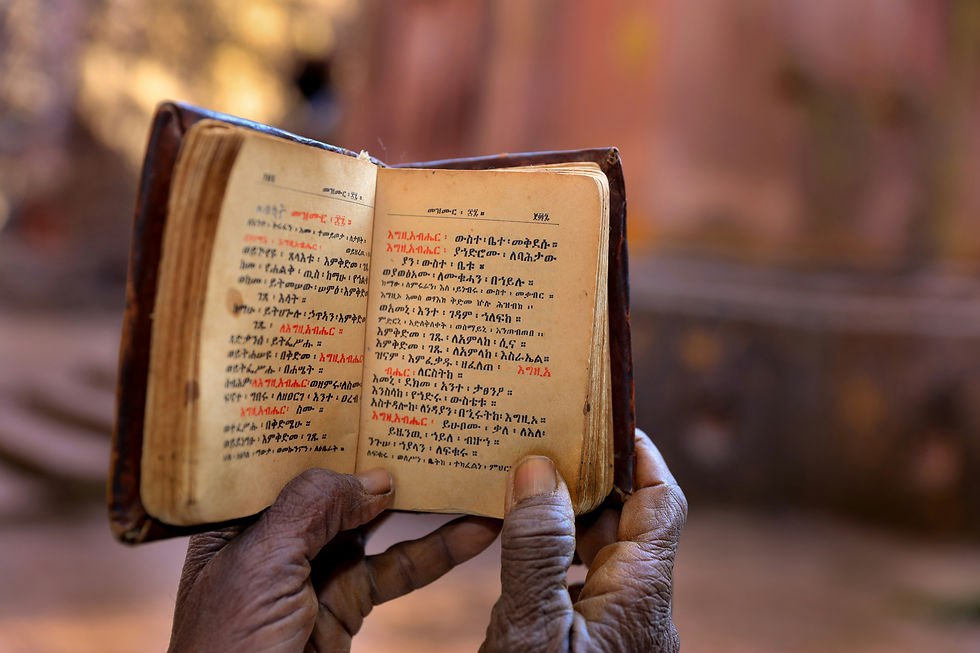
Ethiopia religious tourism opportunity: the power of the 81-book biblical canon
At the centre of this surge is Ethiopia’s unique religious foundation. The Ethiopian Orthodox tradition includes a broader biblical canon of 81 books, compared to the 66 found in most Western traditions. This includes texts such as the Book of Enoch and Jubilees, which are often viewed as “lost” or excluded scriptures in other parts of the world.
Social media narratives amplified this difference. Viral videos suggested that AI had “decoded” these texts, triggering debate among believers, scholars, and sceptics alike. While many of these claims were exaggerated, they achieved something powerful—they sparked curiosity at scale.
This positions Ethiopia as more than a destination. It becomes:
A place of origins
A place of alternative interpretations
A place of living, continuous faith
For tourism strategy, this is extremely valuable. It shifts demand from passive sightseeing to purpose-driven travel, where visitors feel personally connected to the journey.
The social media catalyst: how Grok AI reshaped Ethiopia’s global visibility
The scale of digital engagement around this topic has been significant. Across platforms such as YouTube, Facebook, and X, content related to AI, ancient scripture, and Ethiopia has reached millions of viewers.
Some individual examples illustrate the scale:
Channels like Chronixa generated hundreds of thousands of views on single videos
Platforms such as Digital Explorer exceeded one million views on similar themes
Multiple creators contributed to a wider ecosystem of content, amplifying reach
In aggregate, the total global viewership for this topic is estimated at 5 to 10 million views across platforms.
This level of attention effectively acts as free global marketing. However, visibility alone does not guarantee tourism growth. The opportunity lies in conversion.

Conversion potential: from 5 million views to real-world visitors
Tourism conversion rates from digital content are usually low. Standard travel marketing often sees conversion rates between 0.2% and 4.7%.
However, this situation is different.
Faith-based content operates at a deeper psychological level. It connects to identity, belief, and personal meaning. This creates a much stronger motivation to act—especially when the destination is perceived as spiritually significant.
If Ethiopia were able to convert even a modest share of this audience, the impact would be substantial.
Using a conservative base of 5 million viewers:
At 10% conversion → approximately 500,000 additional tourists
At 20% conversion → approximately 1,000,000 additional tourists
To put this in context, Ethiopia recorded around 1.2 million international visitors over a recent nine-month period. Even a 10% conversion scenario would represent a major increase in arrivals.
This is not just growth—it is transformational growth.

Where demand would concentrate: Lalibela, Aksum, and the Tigray Highlands
If conversion occurs, it will not be evenly distributed. Visitors influenced by religious narratives tend to travel with specific destinations in mind.
Key sites likely to see increased demand include:
Lalibela, known for its rock-hewn churches and spiritual symbolism
Aksum, traditionally associated with the Ark of the Covenant
The Tigray Highlands, home to remote monasteries and ancient traditions
These locations already carry strong spiritual narratives. Social media has simply amplified their global visibility.
However, this concentration creates both opportunity and risk. Without proper planning, these sites could face overcrowding, infrastructure strain, and cultural disruption.

Turning interest into bookings: Ethiopia’s tourism strategy
To convert viral attention into actual travel, Ethiopia needs a deliberate strategy. Awareness is already high. The next step is making travel easy, compelling, and trustworthy.
A key priority is digital integration. The launch of platforms like “Visit Ethiopia” is a strong step. These tools can use AI to guide users from curiosity to booking, offering personalised itineraries and virtual previews of key sites.
Content also matters. Ethiopia should shape the narrative rather than react to it. This means:
Providing accurate, engaging explanations of its biblical tradition
Showcasing real experiences at religious sites
Highlighting the living nature of its faith
Influencers play a role as well. Social media creators are already driving interest, particularly among younger travellers. Partnering with credible voices can help translate online curiosity into real-world visits.
Infrastructure reality: can Ethiopia handle a surge in religious tourism?
While demand may grow rapidly, supply constraints remain a key issue.
Many religious sites are located in remote areas with limited infrastructure. Roads, accommodation, and basic services are not always sufficient to support large visitor numbers.
If Ethiopia were to receive an additional 500,000 to 1,000,000 tourists, several challenges would emerge:
Pressure on transport networks, particularly domestic flights
Limited hotel capacity in key hubs
Strain on water, sanitation, and energy systems
Increased wear on fragile heritage
Addressing these issues requires proactive investment. Importantly, this investment must balance growth with preservation.

Social media and authenticity: managing the double-edged sword
Social media has been a powerful catalyst, but it also introduces risks.
On one hand, it creates visibility, jobs, and economic opportunity. On the other, it can distort narratives and encourage superficial engagement.
There is also the risk of over-tourism at sacred sites. Religious locations are not just attractions—they are places of worship. Managing visitor behaviour and expectations will be critical.
Maintaining authenticity should be a guiding principle. Ethiopia’s strength lies in its genuine, living traditions. Preserving this is essential for long-term success.
What if viral interest does not convert into tourism?
It is important to consider an alternative scenario.
What if millions of views do not translate into significant travel demand?
There are several reasons this could happen:
Online curiosity may remain passive, with users consuming content but not acting
Travel costs and logistics may deter potential visitors
Concerns about safety or infrastructure may limit conversion
Competing destinations may capture the same audience
There is also the possibility that the narrative itself loses momentum. Viral trends can fade quickly, especially if they are not supported by credible information and sustained engagement.
In this scenario, Ethiopia would still benefit from increased awareness, but the economic impact would be more limited.

A rare window to scale Ethiopian tourism
Ethiopia has been presented with a rare opportunity. A viral moment—driven by AI, social media, and global curiosity—has repositioned the country in the minds of millions.
The challenge now is execution.
By focusing on digital conversion, infrastructure readiness, and authentic storytelling, Ethiopia can transform this moment into long-term tourism growth. The potential numbers are significant, but success will depend on careful planning and coordination.
Most importantly, Ethiopia must protect what makes it unique. Its religious heritage is not just a tourism asset—it is a living tradition. Managing growth while preserving this identity will be the key to sustainable success.
For more insights on tourism strategy, economic development, and global trends, consider subscribing to updates at www.Georgejamesconsulting.com.


Comments