

What Does China’s Withdrawal From Funding the ML-1 Railway in Pakistan Mean?

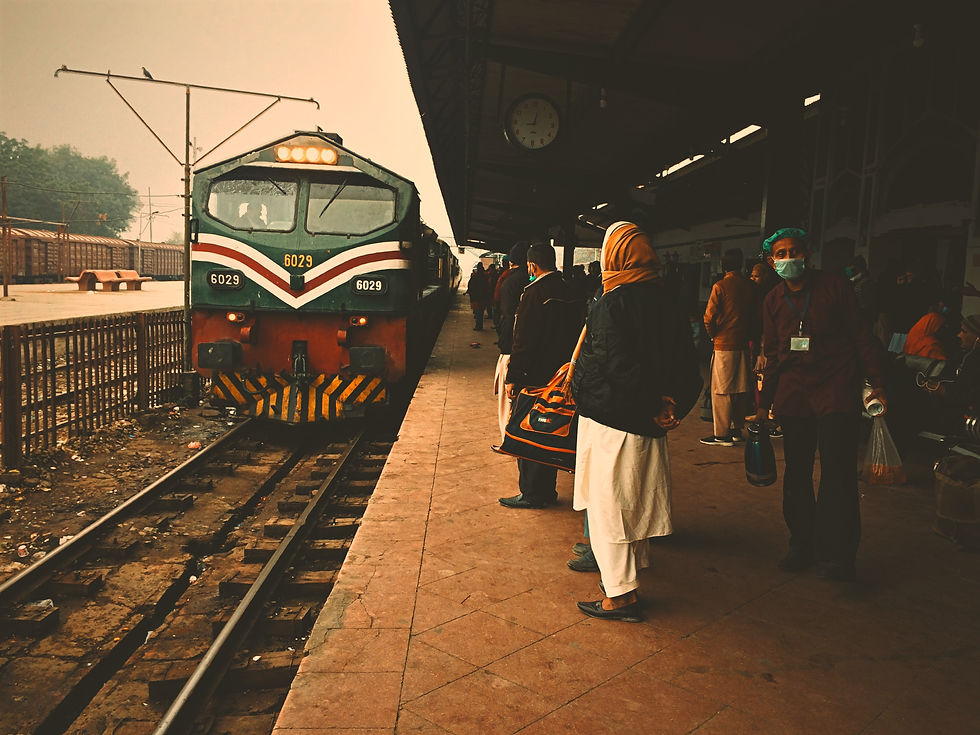
What does China's withdrawal from Pakistan ML-1 project mean?
China’s decision to step back from directly financing Pakistan’s Main Line-1 (ML-1) railway project marks a quiet but important shift in how large infrastructure projects are being funded in South Asia. For years, ML-1 was presented as the flagship transport project under the China-Pakistan Economic Corridor (CPEC), symbolizing deep strategic and economic ties between Beijing and Islamabad. Today, that picture looks very different.
With China no longer willing to act as the primary financier, Pakistan has turned to the Asian Development Bank (ADB) to move the project forward. This change does not mean the railway is being abandoned. Instead, it reflects deeper financial, political, and strategic pressures shaping both Pakistan’s economic choices and China’s evolving global investment strategy.
Understanding what this shift means requires looking beyond the project itself and examining why China stepped back, why Pakistan adjusted course, and what this tells us about the future of infrastructure financing in the region.
Why the ML-1 Railway Matters So Much to Pakistan
The ML-1 railway is the core artery of Pakistan Railways. Stretching from Karachi to Peshawar, it carries the vast majority of passenger traffic and nearly all freight moving by rail across the country. Any serious effort to modernize Pakistan’s economy depends on this corridor working efficiently.
Decades of underinvestment have left ML-1 slow, unsafe, and unreliable. Trains take longer than they should, maintenance costs are high, and freight struggles to compete with road transport. Upgrading the line is essential for reducing logistics costs, supporting exports, and improving connectivity between ports, cities, and industrial zones.
This is also why ML-1 has taken on renewed urgency. Large-scale projects such as the Reko Diq copper and gold mine depend on reliable transport links to ports. Without a modern railway, the economic benefits of these projects are harder to realize.

The Original CPEC Vision and Where It Broke Down
When CPEC was launched, ML-1 was positioned as its most ambitious transport project. China was expected to finance and support the upgrade as part of a broader package of infrastructure investments that included power plants, highways, and ports.
However, the scale of ML-1 quickly became a problem. Costs rose steadily, negotiations dragged on, and disagreements emerged over pricing, timelines, and risk-sharing. At the same time, Pakistan’s fiscal position worsened. Rising debt, weak revenue collection, and repeated balance-of-payments crises made large new borrowing harder to justify.
Over time, ML-1 became trapped between ambition and reality. It was too important to cancel, but too expensive to fund under the original model.

Why China Stepped Back From Funding ML-1
China’s withdrawal was not sudden, nor was it driven by a single factor. Instead, it reflects a combination of financial, security, and strategic concerns that have been building for years.
One major issue is financial risk. Pakistan’s ability to service debt has come under increasing strain, particularly in the energy sector where Chinese firms are already owed substantial sums. From Beijing’s perspective, committing billions more to a high-risk, long-term railway project became harder to justify.
Security concerns also play a role. Attacks on Chinese nationals and infrastructure projects have increased in recent years, raising costs and risks for Chinese companies operating in Pakistan. Protecting workers and assets has become a growing point of friction in the relationship.
Just as important are project delays and governance challenges. ML-1 has faced repeated slowdowns due to bureaucratic bottlenecks, policy changes, and shifting political priorities. From China’s standpoint, these issues reduce confidence that large projects can be delivered on time and on budget.
Finally, China’s decision reflects a broader global recalibration. Beijing is becoming more selective about overseas infrastructure investments, moving away from large, debt-heavy projects toward smaller, more targeted initiatives with clearer returns.
ADB Steps In and the Project Gets a Reset
With China unwilling to move forward under the original financing model, Pakistan began seeking alternatives. This led to the Asian Development Bank taking a lead role, including providing around $2 billion in financing for the Karachi–Rohri section of the line.
This shift represents more than a change of lender. It fundamentally alters how the project will be delivered. ADB involvement brings competitive international bidding, stricter procurement standards, and stronger oversight. These requirements can slow early stages of a project, but they also improve credibility and long-term sustainability.
The new structure has helped unlock momentum. After years of uncertainty, ML-1 is once again moving toward implementation, with groundwork expected to begin in the coming years.

What This Says About Pakistan’s Strategy
Pakistan’s turn toward multilateral financing reflects a deliberate effort to diversify partnerships. Relying on a single country for large infrastructure projects proved risky, particularly when economic conditions deteriorated.
By bringing in institutions like the ADB, Pakistan signals that it is serious about fiscal discipline, transparency, and reform. This also aligns with broader economic stabilization efforts and helps reassure international partners.
At the same time, Pakistan is not turning away from China. Instead, it is attempting to balance relationships, maintaining strategic ties with Beijing while also engaging more deeply with multilateral lenders and Western institutions.
Implications for China and CPEC
For China, stepping back from ML-1 does not mean abandoning Pakistan. Rather, it reflects a more cautious approach to risk. The era of easy financing for mega-projects is fading, replaced by a more selective model focused on financial sustainability and political stability.
CPEC itself is evolving. The focus is shifting away from large, headline-grabbing infrastructure projects toward smaller investments, industrial cooperation, and trade facilitation. ML-1’s restructuring fits this broader pattern.
What Happens Next for ML-1
The success of ML-1 now depends not just on financing, but on execution. Upgrading tracks alone will not deliver results unless governance, operations, and maintenance also improve.
Pakistan Railways has begun introducing digital monitoring systems, real-time tracking, and better safety controls. These reforms are essential if the railway is to become financially viable and operationally reliable.
Multilateral lenders are likely to keep pushing for these reforms, tying future disbursements to measurable improvements.
What China’s Withdrawal Really Means
China’s withdrawal from directly funding the ML-1 railway is not a collapse of cooperation, but a rebalancing of expectations. It reflects financial reality, rising risk awareness, and a changing global investment climate.
For Pakistan, the shift has created an opportunity to reset the project on more sustainable terms, diversify its partnerships, and align infrastructure development with economic reform.
The key lesson is clear: large infrastructure projects today require not just ambition, but strong governance, realistic financing, and balanced relationships.
If you would like more analysis on geopolitics, infrastructure finance, and economic reform, you can subscribe to other GJC articles at: www.Georgejamesconsulting.com


Comments